
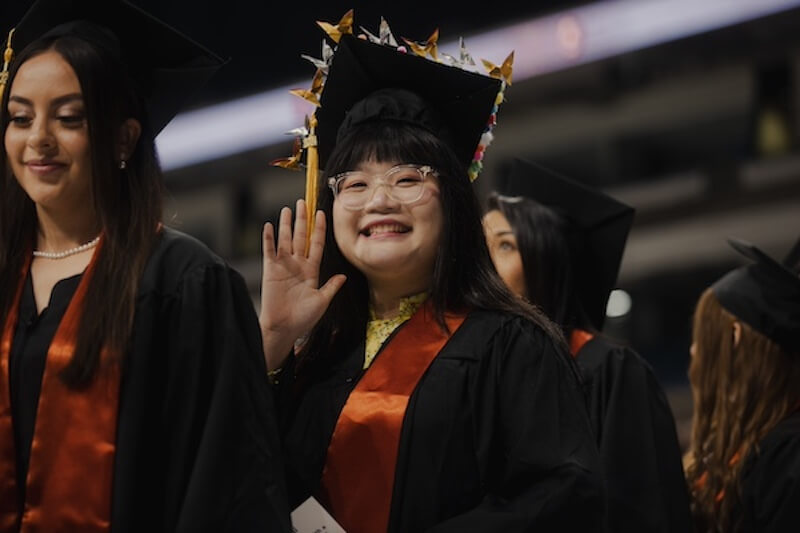
Students seeking health professional careers can get a jumpstart on their academic pursuits through the School of Health Professions’ Bachelor of Science in Medical Sciences (BSMS) program, part of the school’s Department of Health Sciences.
The bachelor’s program provides a rigorous science curriculum, clinical practicums and personalized support to help students prepare their applications to graduate medical, dental, physician assistant and other health science professional degree programs.
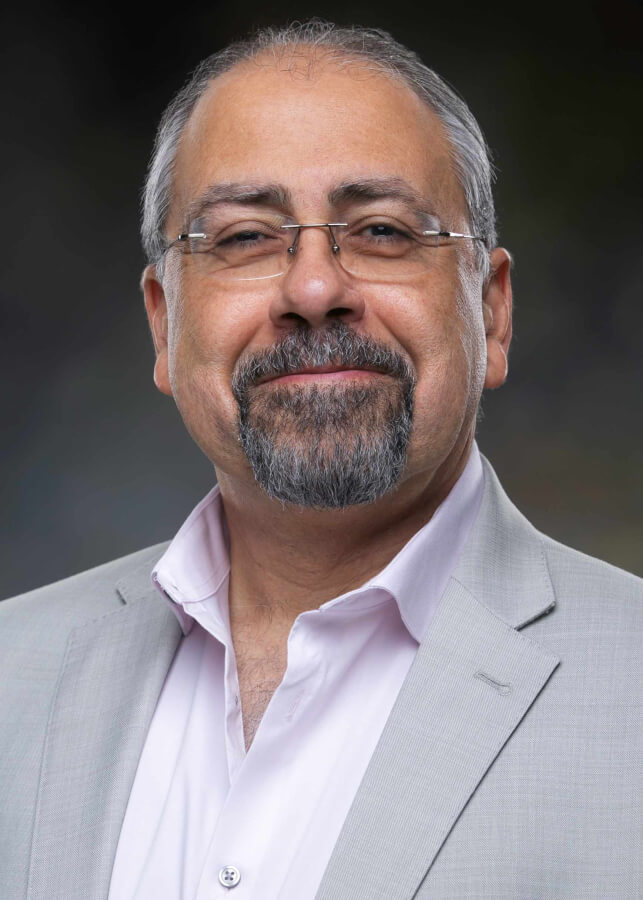
“We designed the curriculum to be very intensive and focused on medical sciences,” said Ahmad Galaleldeen, PhD, professor and program director of the Bachelor of Science in Medical Sciences Program.
“We provide classes such as anatomy and physiology with a medical twist. We also added courses like clinical chemistry, patient assessment and a practicum in which students shadow physicians, physician assistants or providers in whichever profession and specialty they are interested in. We partner with providers here at UT Health San Antonio, at University Hospital and on the private side. Our students graduate from the program ready to submit their applications.”
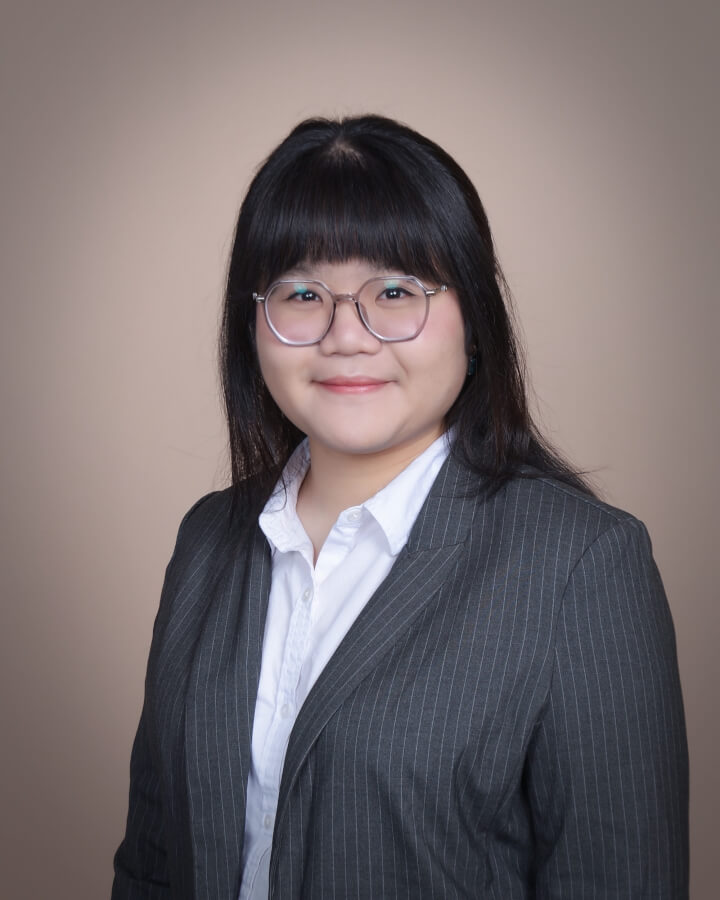
These experiential opportunities drew Thien Bui to the program in 2022.
“For me, I was looking for experiences because I know that, academically, I could do my pre-med anywhere, basically any university that offered pre-med,” said Bui, now a first-year doctoral student at The University of the Incarnate Word School of Osteopathic Medicine. “But the hard part was, ‘how could I get the clinical experiences, the research experience? I wouldn’t be able to have had the exposure to that many experiences if it wasn’t for the BSMS program.”
As part of the program, students are required to complete 30 hours of community service and are required to obtain a healthcare certificate, especially an emergency medical technician (EMT) certificate.
“EMTs are also part of the health professions, and some students need a job on the side sometimes to be able to pay the bills, and getting that certification also gives them hands-on experience,” Galaleldeen said, adding that having experience interacting with patients is very important and helpful for students when applying to graduate programs.
“The success of our program comes from the amazing team we have,” Galaleldeen said. “Dr. Guillermo Nunez, who is one of the cornerstones of this program and has been here since the program’s inception, brings a wealth of knowledge in microbiology and medical lab sciences. We also have Dr. Benjamin Enslow, an MD who brings extensive research and clinical knowledge, and our academic coordinator, Martha Browning, who has been supporting our students for the last 24 years.”
A great fit
Before entering the BSMS program, Bui was looking for a university that would prepare her for entry into a graduate-level medical program.
“I was a San Antonio College student, and I needed to transfer somewhere,” Bui said. “Through my research, I saw that [UT Health San Antonio] offered a program that could guide me to apply for medical school,” she said, adding that another enticing aspect of the program was the ability to job-shadow physicians.
Once in the BSMS program, Bui began looking only into MD programs, she said.
“Then, the program director, Dr. Galaleldeen, asked me, ‘Have you looked into [becoming a doctor of osteopathic medicine], because they actually practice the same as an MD, but they have osteopathic medicine on top of that.’ I’m from Vietnam, and a lot of their approaches to medicine are closer to the osteopathic way versus the allopathic way, so I appreciated that,” Bui said, adding that the opportunity to job shadow a primary care physician helped clinch her decision to pursue osteopathic medicine.
Guiding students in the application process
From the start of the BSMS program, students are encouraged to hone their writing skills.
“We always tell the students, if it’s not draft No. 10, it doesn’t count,” Galaleldeen said, adding that it’s important for students to start working on their application materials early so that by the time they begin preparing for graduate or professional programs, they already have a strong application. “We go through every part of the application with them. We make sure they’ve taken all the required courses. Basically, we check all the boxes. We have our lists, and we sit with them one by one.”
Since the program’s launch in the fall of 2022, four cohorts totaling 63 students have participated in the BSMS program. Twenty-five of those students have since graduated and 38 are currently in the program.
“Our students are very successful when applying to medical school, physician assistant programs and other graduate schools,” Galaleldeen said.
Bui was no exception. As part of the monthslong medical school application process, she received helpful guidance, she said.
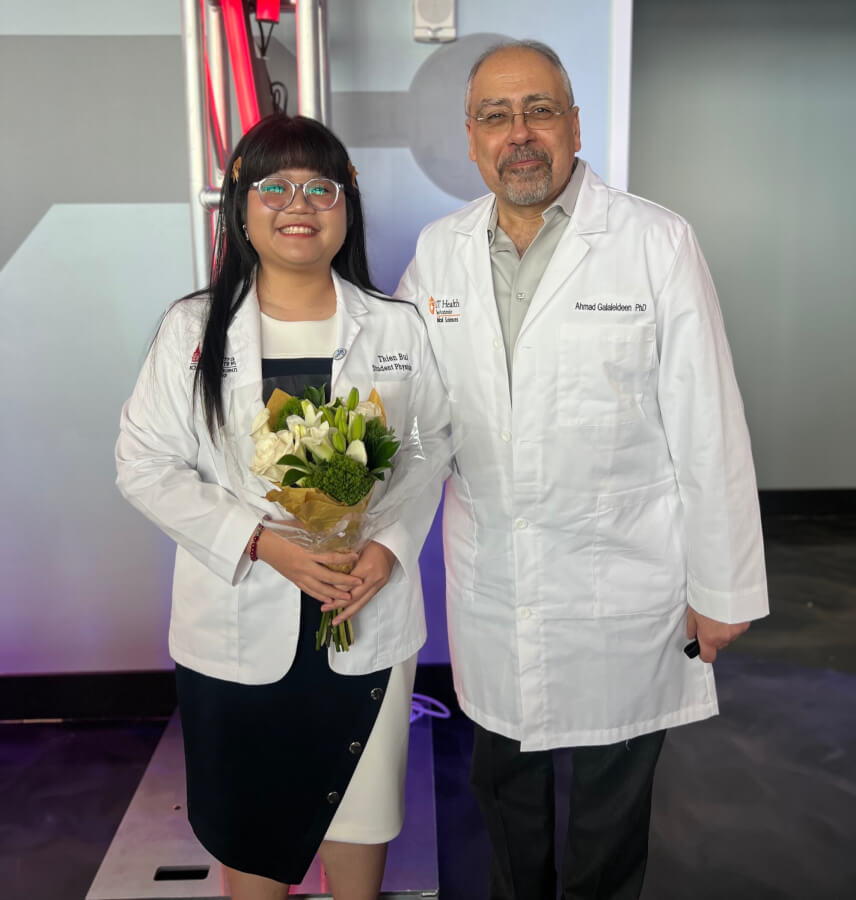
“Dr. Galaleldeen was an amazing mentor,” Bui said. “He really helped me through the application process. He reviewed my personal statement, and he helped me with the mock interviews, so I really appreciate him for that and the knowledge that we learned in the BSMS program.”
Grant supports student success initiatives
In the fall of 2024, Galaleldeen received a $215,000 grant from the Texas Higher Education Coordinating Board to support the Pre-Health Scholars Success Initiative (PSSI), a project of the School of Health Professions. The grant helps fund student success initiatives for lower-income bachelor’s students in the School of Health Professions through Aug. 31, 2026.
The grant also helps the BSMS program by providing a science preview and health professions readiness camp before the start of the academic year for incoming bachelor’s students. During the camp, students attend classes in the morning and visit a different place each day for two weeks for a sneak peek of different health professions. One day, students could be visiting the Long School of Medicine and using the ultrasound equipment, or visiting the Master of Physician Assistant Studies program in the School of Health Professions, where they can practice suturing, Galaleldeen said.
“Most students know medicine, nursing, dentistry and may not be familiar with other professions, so we open that horizon,” he said. “They might discover love of something else. So that’s the first thing we focus on. We also give them workshops on the standardized exams they are applying for. [For example], medical school requires students to take the Medical College Admission Test for admission, so we give an MCAT workshop.”
The grant also provides stipends for most first-generation BSMS students in addition to helping Medical Laboratory Sciences students pay for their required certification exam.
“We were also able to fund 13 Medical Lab Sciences healthcare certifications and two BSMS healthcare certificates through the grant,” Galaleldeen stated, adding that 16 first-generation students each received an average of $300 per month through the grant.
“Students from the BSMS and Medical Lab Sciences programs who are pregnant or parents are also supported, as well as students’ emotional and social development through workshops offered at the Student Counseling Center with the help of Dr. Mia Veve,” Galaleldeen said, adding that nine parents in these programs were each able to receive $500 per month through the grant to date.
A wealth of experiences
Thanks to the BSMS program, in addition to her job-shadowing experience, Bui also had an opportunity to add research experience to her resume as a student assistant at the Glenn Biggs Institute for Alzheimer’s and Neurodegenerative Diseases at UT Health San Antonio.
“I had experiences all around,” Bui said, adding that when it came time for her graduate program interview, she was ready.
Bui’s advice to students looking to go into a health professional field: “I believe that the BSMS program can satisfy whatever you’re looking for,” she said, adding that it’s important to ask a lot of questions throughout one’s time in the program to make the most of their experience.
Click here to read about other student support initiatives of the university’s health professional schools in Mission magazine.